
Introduction
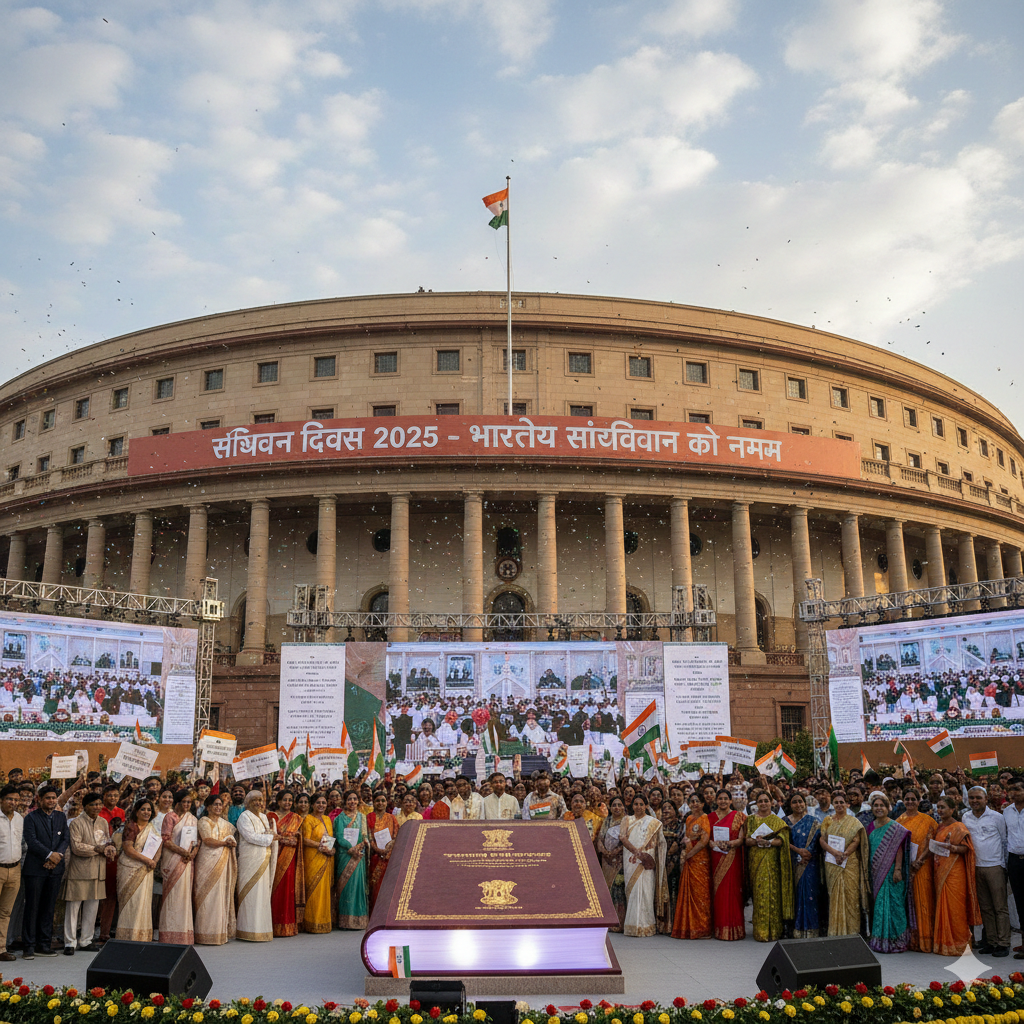
The Election Commission of India (ECI) is an independent constitutional authority responsible for conducting free and fair elections across India. Established on 25 January 1950, the ECI ensures that every citizen can exercise their right to vote without bias or influence. It plays a vital role in upholding the democratic values of the nation.
Structure of the Election Commission
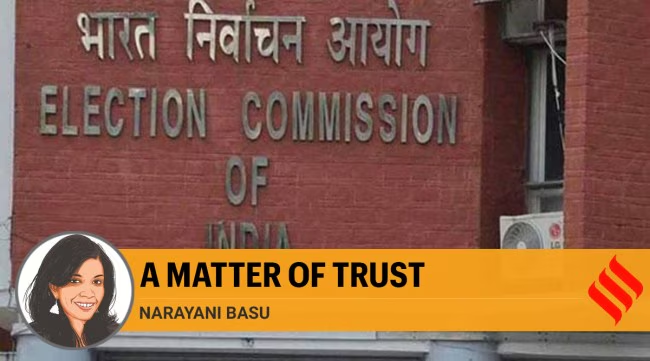
The ECI consists of a Chief Election Commissioner (CEC) and two Election Commissioners. They are appointed by the President of India. The commission operates independently, ensuring transparency and neutrality during elections at all levels—Lok Sabha, Rajya Sabha, State Legislative Assemblies, and Presidential and Vice-Presidential elections.
Main Functions of the ECI
- Conducting Elections: Organizes and supervises elections across the country.
- Voter Registration: Prepares and updates the voter list (electoral roll) regularly.
- Code of Conduct Enforcement: Ensures political parties follow the Model Code of Conduct during elections.
- Monitoring Political Parties: Registers political parties and monitors their election expenses.
- Use of Electronic Voting Machines (EVMs): Promotes transparency through EVMs and VVPATs.
Importance of the Election Commission
The ECI is the backbone of India’s democracy. By maintaining neutrality and integrity, it builds public trust in the election process. The Commission’s work ensures that every vote counts and that no unfair means can influence the results.
Recent Initiatives by the ECI Election Commission of India
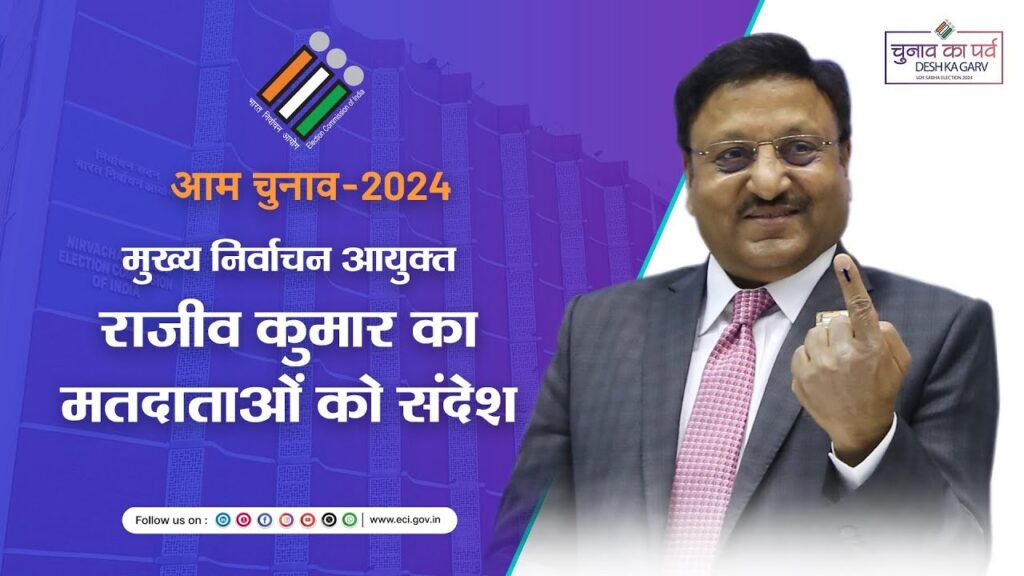
- Voter Awareness Campaigns like “No Voter to be Left Behind.”
- Use of technology such as mobile apps for voter ID verification.
- Promoting inclusive elections for differently-abled and senior citizens.
Conclusion
The Election Commission of India stands as a pillar of democracy, ensuring that elections remain free, fair, and transparent. Its dedication to impartiality and innovation continues to strengthen India’s democratic foundation.
SEO Keywords
Election Commission of India, ECI, Chief Election Commissioner, Indian elections, free and fair elections, Model Code of Conduct, voter list, EVM, VVPAT, democracy in India, voting rights, ECI functions, election process in India
Election Commission of India (ECI): The Guardian of Democracy
The Election Commission of India (ECI) is one of the most vital constitutional bodies of India, entrusted with the responsibility of conducting free and fair elections across the nation. Established on January 25, 1950, under Article 324 of the Indian Constitution, the ECI ensures that the democratic process functions smoothly and transparently, without any political bias or interference.
As the guardian of democracy, the Election Commission plays a central role in protecting the integrity of the Indian democracy. It conducts elections for the Lok Sabha, Rajya Sabha, State Legislative Assemblies, and the offices of the President and Vice President of India. Its main objective is to uphold the principles of equality, impartiality, and fairness, ensuring that every citizen can exercise their voter rights freely and responsibly.
The powers and functions of the Election Commission of India include preparing and updating electoral rolls, monitoring election campaigns, setting the Model Code of Conduct, and managing the entire election process in India. The ECI also works to prevent electoral malpractices, misuse of government resources, and corruption during elections. Its independence and transparency make it one of the most respected institutions in the country.
The Commission has also played a key role in introducing electoral reforms in India. Initiatives like Electronic Voting Machines (EVMs), Voter Verifiable Paper Audit Trail (VVPAT), and online voter registration have made elections more efficient and trustworthy. Through various voter awareness programs, such as the SVEEP (Systematic Voters’ Education and Electoral Participation) campaign, the ECI encourages citizens to participate actively in the democratic process.
The importance of the Election Commission lies in its ability to maintain public confidence in India’s electoral system. Its decisions and reforms continuously strengthen democratic governance by promoting fairness and inclusivity.
In conclusion, the Election Commission of India (ECI) truly stands as the guardian of democracy. By ensuring transparency, accountability, and impartiality, it protects the essence of democracy and empowers every citizen to be a part of the nation’s democratic journey. The ECI’s commitment to maintaining the sanctity of elections continues to make India’s democracy one of the strongest in the world.
Election Commission of India (ECI): The Guardian of Democracy
The Election Commission of India (ECI) stands as one of the most respected and powerful constitutional bodies of India, entrusted with the crucial responsibility of conducting free and fair elections across the country. Established on January 25, 1950, the ECI plays a vital role in ensuring that the democratic process remains transparent, impartial, and accountable. It truly acts as the guardian of democracy, safeguarding the voice of every Indian citizen through the power of the vote.
Formation and Constitutional Status
The Election Commission was established under Article 324 of the Indian Constitution, which grants it the authority to direct, supervise, and control elections to the Parliament, State Legislatures, and the offices of the President and Vice President of India. Being a constitutional body, the ECI functions independently from government influence, ensuring neutrality and fairness in the election process in India.
Initially, the ECI consisted of only one Chief Election Commissioner (CEC). However, in 1989, the system was expanded to include two Election Commissioners to assist the CEC, making it a multi-member body. This structure helps maintain balance and transparency in decision-making.
Role and Functions of the Election Commission
The role of the Election Commission is multi-dimensional. Its main duty is to organize and conduct elections in a free, fair, and impartial manner. The powers and functions of the Election Commission of India include:
- Preparing and updating electoral rolls to ensure all eligible citizens are included.
- Scheduling elections and ensuring timely conduct across states and national levels.
- Monitoring political parties and candidates during campaigns to enforce the Model Code of Conduct.
- Regulating campaign finance and preventing misuse of public resources.
- Ensuring voter awareness through education programs.
- Counting votes and declaring results in a transparent manner.
The Commission also acts as a quasi-judicial body while settling disputes related to political parties, election symbols, and candidate disqualifications.
Guardian of Democracy
The Election Commission is often called the “Guardian of Democracy” because it ensures that the democratic spirit of India remains alive and vibrant. Through its independent functioning, the ECI protects the voter rights of every citizen, guaranteeing that elections are conducted without fear, bias, or corruption.
The Commission’s role is not limited to organizing elections — it also protects the sanctity of the democratic process by taking strict action against electoral malpractices such as bribery, voter intimidation, and misuse of official machinery. The independence of the Election Commission ensures that even powerful political leaders are held accountable for their actions.
Electoral Reforms in India
To adapt to changing times, the ECI has introduced numerous electoral reforms in India that have strengthened transparency and credibility. The introduction of Electronic Voting Machines (EVMs) revolutionized the way votes are cast and counted, ensuring faster and more accurate results. Later, the Voter Verifiable Paper Audit Trail (VVPAT) system added an additional layer of accountability, allowing voters to verify their choices.
Digital initiatives like online voter registration, e-EPIC (Electronic Electoral Photo Identity Card), and the use of technology for monitoring campaigns have made elections more efficient. Campaigns such as SVEEP (Systematic Voters’ Education and Electoral Participation) have increased voter awareness, encouraging higher turnout and responsible participation.
Transparency and Accountability
Transparency and accountability are at the core of the Election Commission’s operations. The ECI ensures that all political parties follow the Model Code of Conduct, which sets ethical standards for campaigning. It keeps a close watch on the use of money, media, and muscle power during elections.
The Commission also emphasizes inclusivity, making voting accessible for people with disabilities, senior citizens, and remote populations through postal ballots and special arrangements. This strengthens the democratic fabric of India, ensuring that every vote counts.
Importance of the Election Commission
The importance of the Election Commission cannot be overstated. It acts as the backbone of Indian democracy, maintaining political stability and public trust in the electoral system. Without its impartial functioning, elections could easily become biased or manipulated, damaging the democratic foundation of the nation.
By enforcing strict rules, promoting transparency, and adopting modern reforms, the Election Commission of India ensures that power is transferred peacefully and legitimately. Its success in managing the world’s largest democratic elections has earned global recognition and respect.
Conclusion
In conclusion, the Election Commission of India (ECI) truly stands as the Guardian of Democracy. Through its commitment to fairness, independence, and integrity, it ensures that the electoral system of India remains strong and trustworthy. By protecting voter rights, encouraging voter awareness, and implementing electoral reforms, the ECI upholds the true spirit of Indian democracy.
As India continues to grow as a global democracy, the Election Commission’s role will remain crucial in preserving the values of equality, transparency, and justice — the very pillars that define the world’s largest democratic nation.
Election Commission of India (ECI): The Guardian of Democracy
The Election Commission of India (ECI) is one of the most powerful and respected constitutional bodies in India. It plays a vital role in ensuring that the world’s largest democracy functions smoothly and that every citizen has the right to choose their representatives freely and fairly. As the guardian of democracy, the ECI safeguards the democratic values enshrined in the Indian Constitution, ensuring free and fair elections, transparency, and accountability in the entire electoral process.
Introduction
Democracy is defined as the rule of the people, by the people, and for the people. However, this ideal can only be achieved when elections — the foundation of democracy — are conducted with honesty, impartiality, and integrity. In India, this monumental responsibility lies with the Election Commission of India. Since its establishment on January 25, 1950, the ECI has been instrumental in strengthening the roots of Indian democracy.
The Commission ensures that elections for the Lok Sabha, Rajya Sabha, State Legislative Assemblies, and the offices of the President and Vice President are conducted in a free, fair, and transparent manner. Through its tireless efforts, the ECI has earned the reputation of being the Guardian of Democracy, protecting the voice of the people and upholding the true spirit of democratic governance.
Historical Background and Constitutional Framework
The Election Commission of India was established under Article 324 of the Indian Constitution, which grants it the power to direct, control, and supervise elections. Initially, the Commission had only one Chief Election Commissioner (CEC). However, in 1989, two additional Election Commissioners were appointed to assist the CEC, making it a multi-member body. This structure was made permanent in 1993, allowing for greater balance and collaboration in decision-making.
The ECI operates independently of the government. Its autonomy is protected by several constitutional provisions — the Chief Election Commissioner cannot be removed from office except through a process similar to that of a Supreme Court judge, ensuring impartiality and independence from political influence.
Composition of the Election Commission
The ECI is composed of:
- Chief Election Commissioner (CEC)
- Two Election Commissioners
They are appointed by the President of India and have equal powers. Decisions are made by majority vote, ensuring transparency and balance. The Commission also has a large administrative machinery, including State Chief Electoral Officers, District Election Officers, Returning Officers, and Presiding Officers who help conduct elections at every level.
Functions and Powers of the Election Commissio
The powers and functions of the Election Commission of India are vast and essential for maintaining democratic integrity. Some of the major responsibilities include:
1. Conducting Elections
The ECI conducts elections for the Parliament, State Assemblies, and the offices of the President and Vice President. It prepares the electoral rolls, schedules polling dates, and manages the overall election process in India.
2. Model Code of Conduct
The ECI enforces the Model Code of Conduct (MCC), a set of guidelines that political parties and candidates must follow during elections. It ensures that campaigns are fair and that government resources are not misused for political gains.
3. Registration and Recognition of Political Parties
The ECI registers new political parties and allocates election symbols. It also regulates their functioning and ensures compliance with laws and ethical standards.
4. Monitoring Election Campaigns
The Commission monitors speeches, advertisements, and financial expenditures during campaigns. It has the authority to disqualify candidates or parties found guilty of violating election laws.
5. Voter Awareness and Education
Through programs like SVEEP (Systematic Voters’ Education and Electoral Participation), the ECI promotes voter awareness, encouraging citizens to exercise their right to vote responsibly.
6. Dispute Resolution
The ECI acts as a quasi-judicial body, settling disputes related to the recognition of political parties, allocation of symbols, and other election-related issues.
7. Electoral Reforms
The Commission continuously works to introduce electoral reforms in India aimed at improving efficiency, transparency, and inclusivity.
Guardian of Democracy
The Election Commission is often described as the Guardian of Democracy because of its unwavering commitment to protect the democratic rights of every citizen. It ensures that elections remain free, fair, and impartial, regardless of political pressure or influence.
Through its vigilance, the ECI prevents electoral malpractices such as booth capturing, bribery, voter intimidation, and misuse of government machinery. Its independence allows it to stand firm against powerful political forces, ensuring that the people’s mandate is respected.
By protecting voter rights in India, maintaining transparency and accountability, and enforcing ethical conduct during elections, the ECI ensures that democracy in India continues to thrive.
Electoral Reforms in India
Over the decades, the Election Commission has introduced numerous electoral reforms to make elections more transparent and efficient. Some of the most notable reforms include:
1. Electronic Voting Machines (EVMs)
Introduced in the 1990s, EVMs replaced paper ballots and revolutionized voting in India. They made counting faster, reduced errors, and minimized instances of vote manipulation.
2. Voter Verifiable Paper Audit Trail (VVPAT)
To increase voter confidence, the ECI introduced the VVPAT system, allowing voters to verify their choice through a printed slip before it is securely stored for audit purposes.
3. Electoral Roll Purification
The Commission regularly updates and verifies electoral rolls to remove duplicate or fake entries, ensuring accuracy in voter lists.
4. SVEEP Program
The Systematic Voters’ Education and Electoral Participation (SVEEP) campaign promotes voter awareness through education, outreach, and social campaigns to increase voter turnout.
5. Technology Integration
The use of technology, such as online voter registration, digital voter IDs (e-EPIC), and real-time monitoring of polling, has made the election process more efficient and accessible.
6. Accessibility and Inclusion
The ECI ensures that elections are inclusive by making arrangements for the elderly, differently-abled, and remote voters through postal ballots, ramps, and mobile polling booths.
7. Expenditure Monitoring
To curb the misuse of money power, the Commission monitors political spending and requires candidates to maintain transparent financial records.
These reforms have significantly strengthened the electoral system of India, making it one of the most credible and respected in the world.
Transparency and Independence
The independence of the Election Commission is one of its greatest strengths. Despite being a constitutional body, it functions autonomously, free from executive control. The CEC and other Commissioners make decisions based on law, evidence, and principles — not political pressure.
Transparency is also a key value of the ECI. Election schedules, codes, and results are made public, and the Commission maintains open communication with political parties, the media, and the public.
In times of controversy, the ECI’s impartial decisions have upheld the sanctity of Indian democracy. For example, strict enforcement of the Model Code of Conduct, action against hate speeches, and disqualification of candidates for violations show its commitment to fairness.
Challenges Before the Election Commission
Despite its achievements, the Election Commission faces several challenges in maintaining free and fair elections in a vast and diverse country like India:
- Money Power and Electoral Corruption:
The influence of black money and corporate funding in elections poses a major challenge. - Criminalization of Politics:
The growing number of candidates with criminal backgrounds affects the purity of elections. - Media and Misinformation:
The rise of fake news, social media manipulation, and biased reporting can influence voters unfairly. - Political Pressure:
At times, attempts are made to undermine the Commission’s independence. - Low Voter Turnout:
Despite awareness campaigns, voter participation in some urban areas remains low.
To overcome these challenges, the ECI continues to propose new reforms and technologies to strengthen the democratic process.
Importance of the Election Commission
The importance of the Election Commission lies in its ability to maintain the foundation of Indian democracy. Without a fair and impartial body to conduct elections, democracy would lose its meaning. The ECI ensures peaceful transfer of power, equality before the law, and public faith in governance.
By upholding justice, equality, and integrity, the ECI ensures that elections reflect the true will of the people. It has also inspired many other democracies around the world, making India a global example of electoral excellence.
Conclusion
The Election Commission of India (ECI) truly embodies the spirit of the Guardian of Democracy. Through its unwavering dedication to free and fair elections, voter awareness, and electoral reforms, it safeguards the democratic values of the nation.
From introducing EVMs and VVPATs to promoting voter education and ensuring inclusion, the ECI has continually evolved with time, maintaining public trust and transparency. Its role goes beyond conducting elections — it upholds the very soul of Indian democracy.
As India continues to progress as the world’s largest democracy, the Election Commission’s efforts remain crucial in ensuring that the voice of every citizen is heard, respected, and counted. By protecting the sanctity of elections, the ECI keeps the flame of democracy burning bright — making it truly the Guardian of India’s Democracy.