

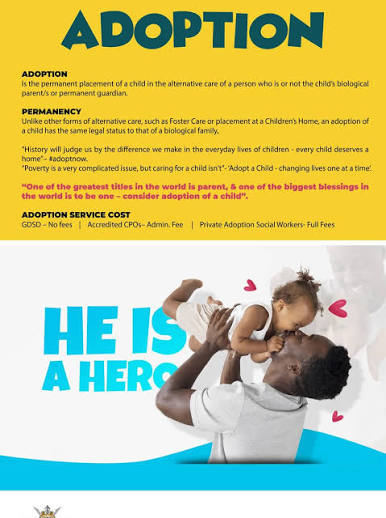
Introduction
Adoption of Childis one of the most beautiful ways to build a family. It is a legal process where a child becomes a permanent member of a new family. The adoptive parents receive all the rights and responsibilities of raising the child just like biological parents.
Many children around the world need a safe home, love, care, and support. At the same time, many couples and individuals dream of becoming parents but may not have biological children. Child adoption connects these two needs and creates a lifelong family relationship.
Adoption is not only about giving a child a home. It is about giving hope, education, protection, love, and a better future. Every child deserves to grow up in a caring environment where they feel safe and valued.
Today, many countries have clear adoption laws to protect both the child and the adoptive family. These laws ensure that every adoption is done fairly and in the best interest of the child.
In this article, you will learn everything about child adoption, including its meaning, benefits, eligibility, different types, and the adoption process.

Adoption of Child
What is Adoption of Child?
Child adoption is the legal process through which a person or a couple becomes the permanent parent of a child who is not born to them. Once the adoption is complete, the adopted child has the same legal rights as a biological child.
This means the child receives:
- Love and care from the new family
- A legal family name
- Education and healthcare
- Financial support
- Property and inheritance rights (as per applicable laws)
- Emotional security
After adoption, the relationship between the child and the adoptive parents becomes permanent. The adoptive parents are fully responsible for the child’s upbringing, education, health, and future.http://sagarmanuja.in
Why Do People Adopt a Child?
Every family has its own reason for adoption. Some people adopt because they cannot have biological children, while others simply want to provide a loving home to a child in need.
Some common reasons include:
1. Infertility
Many couples face medical problems that make it difficult to have children. Adoption helps them experience the joy of parenthood.
2. Helping a Child
Millions of children live without permanent families. Adoption gives these children a chance to grow in a loving home.
3. Single Parenting
Many single men and women also choose adoption to build their families.
4. Expanding the Family
Some parents already have biological children but wish to adopt another child and provide a better life.
5. Social Responsibility
Some families adopt because they believe every child deserves love, care, and equal opportunities.
Adoption of Child – Quick Information Table
| Topic | Details |
|---|---|
| Article Title | Adoption of Child: A Complete Guide |
| Focus Keyword | Adoption of Child |
| Category | Family, Parenting, Law, Social Welfare |
| Article Type | Informative Guide |
| Purpose | To explain the child adoption process, eligibility, benefits, and legal aspects. |
| What is Child Adoption? | A legal process where a child becomes the permanent member of a new family with the same rights as a biological child. |
| Who Can Adopt? | Married couples, single parents, and eligible individuals who meet the legal requirements of their country. |
| Minimum Requirements | Legal age, good physical and mental health, financial stability, and a safe home environment. |
| Types of Adoption | Domestic Adoption, International Adoption, Relative Adoption, Stepparent Adoption, Special Needs Adoption. |
| Main Benefits for the Child | Loving family, education, healthcare, emotional support, legal protection, and a secure future. |
| Main Benefits for Parents | Parenthood, emotional satisfaction, family growth, and the opportunity to provide a better life to a child. |
| Basic Adoption Process | Registration → Document Submission → Home Study → Child Matching → Meeting the Child → Legal Approval → Bringing the Child Home. |
| Important Documents | Identity Proof, Address Proof, Income Certificate, Medical Certificate, Marriage Certificate (if applicable), Photographs, and other required documents. |
| Legal Authority | Adoption is completed through the authorized government authority or court according to the laws of the country. |
| Home Study Purpose | To evaluate the family’s readiness, living conditions, financial stability, and ability to care for a child. |
| Rights of the Adopted Child | Right to family care, education, healthcare, inheritance (as per applicable laws), and legal identity. |
| Responsibilities of Adoptive Parents | Provide love, education, healthcare, financial support, emotional care, and a safe environment. |
| Common Challenges | Emotional adjustment, bonding, legal procedures, waiting period, and social acceptance. |
| Tips for Successful Adoption | Be patient, communicate openly, build trust, seek professional guidance if needed, and provide unconditional love. |
| Best Age to Adopt | There is no single “best” age. Eligibility depends on the country’s adoption laws and the needs of the child. |
| Conclusion | Child adoption gives children a loving family and offers parents the joy of raising a child. It creates lifelong relationships built on love, trust, and commitment. |
FAQs on Adoption of Child
1. What is child adoption?
Child adoption is a legal process in which a person or couple becomes the permanent parent of a child who is not biologically theirs. After adoption, the child has the same legal rights as a biological child.
2. Who can adopt a child?
Eligibility depends on the laws of each country. Generally, married couples, single men, and single women who meet the legal, financial, and health requirements can adopt a child.
3. What are the benefits of adopting a child?
Adoption provides a child with a loving family, education, healthcare, emotional support, and a secure future. It also gives parents the joy and responsibility of raising a child.
4. What documents are required for child adoption?
Common documents include identity proof, address proof, income certificate, medical certificate, marriage certificate (if applicable), photographs, and other documents required by the adoption authority.
5. How long does the child adoption process take?
The adoption process can take several months or longer, depending on the country’s laws, document verification, home study, and child matching process.
6. Can a single person adopt a child?
Yes. In many countries, eligible single men and women can adopt a child, subject to the applicable adoption laws and regulations.
7. What is a home study in adoption?
A home study is an assessment conducted by a social worker to evaluate the family’s living conditions, financial stability, parenting readiness, and ability to provide a safe environment for the child.
8. What are the different types of child adoption?
The main types include domestic adoption, international adoption, relative adoption, stepparent adoption, and special needs adoption.
9. Does an adopted child have inheritance rights?
Yes. In most legal adoption systems, an adopted child has rights similar to those of a biological child, including inheritance rights, as provided under the applicable law.
10. Is child adoption a permanent legal process?
Yes. Once the adoption is legally finalized, the adoptive parents become the child’s permanent legal parents with all the rights and responsibilities of parenthood.
11. Why do people choose to adopt a child?
People adopt for many reasons, such as infertility, the desire to grow their family, helping a child in need, or choosing parenthood through adoption.
12. Can adopted children know about their biological parents?
This depends on the country’s laws and the type of adoption. In some cases, adoption records may be confidential, while in others, limited or full information may be available under legal guidelines.
13. Is adoption expensive?
The cost of adoption varies depending on the country, the adoption agency, legal requirements, and whether the adoption is domestic or international.
14. What should parents do after adopting a child?
Parents should provide a loving and stable home, support the child’s emotional and physical well-being, encourage open communication, and help the child adjust to the new family environment.
15. How does adoption change a child’s life?
Adoption gives a child the opportunity to grow up in a caring family with access to love, education, healthcare, security, and better opportunities for the future.https://www.google.com/search?sca_esv=f03d313a4cb8ca83&rlz=1C1YRZT_enIN1210IN1210&sxsrf=APpeQntWr-HIG1_-8hjh9L0095KyJhEy4w:1783489592836&udm=2










Leave a Reply