

Introduction
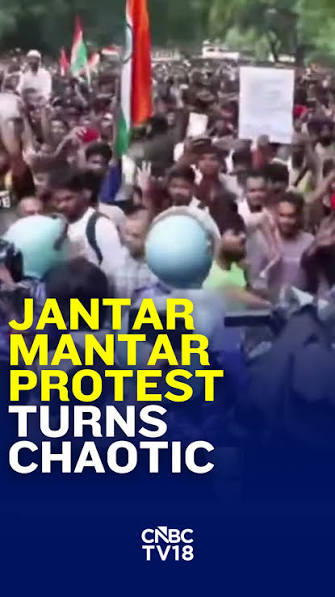
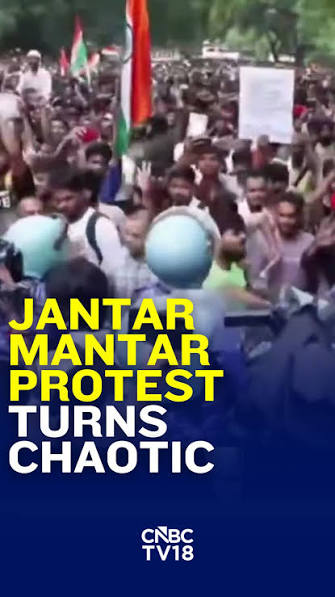
Dharna in Jantar Mantar has become a well-known part of India’s democratic culture. Located in the heart of New Delhi, Jantar Mantar is not only a famous historical monument but also one of the country’s most recognized places for peaceful protests. Over the years, thousands of people have gathered here to raise their voices on social, political, economic, and public issues.
What is Jantar Mantar?
Jantar Mantar is an astronomical observatory built in 1724 by Maharaja Sawai Jai Singh II. It was created to observe the movement of the sun, moon, and stars. Today, it is protected as an important historical monument and attracts visitors from across India and around the world.
Apart from its historical importance, Jantar Mantar became famous as a designated place for peaceful demonstrations. Because it is close to Parliament, government offices, and important administrative buildings, it became a suitable location where citizens could peacefully communicate their concerns to the authorities.
Today, when people hear the words “dharna in Jantar Mantar,” they immediately think of democratic protest and public participation.
Why is Jantar Mantar Famous for Dharna?
Jantar Mantar is considered one of India’s most recognized protest locations for several reasons.
https://www.google.com/search?sca_esv=6f76ab6f29c5f099&rlz=1C1YRZT_enIN1210IN1210&sxsrf=APpeQntvReyJK-AaZ7QOi7MUH9jOwsKbzg:1784700595383&udm=Easy Accessibility
The place is located in Central Delhi and is well connected by roads, buses, and metro services. Protesters from different parts of Delhi and other states can easily reach the venue.
Near Government Offices
Since many important government offices are located nearby, people believe their voices are more likely to reach the concerned authorities.
Peaceful Environment
Authorities allow peaceful gatherings under specific rules. This helps maintain law and order while giving citizens a place to express their opinions.
Symbol of Democracy
India is the world’s largest democracy. Peaceful protests are an important part of democratic rights, and Jantar Mantar has become a symbol of this democratic tradition.
What is a Dharna?
A dharna is a peaceful protest where individuals or groups sit together to demand action or draw attention to a specific issue. Unlike violent demonstrations, a dharna is generally organized without causing damage to public property.
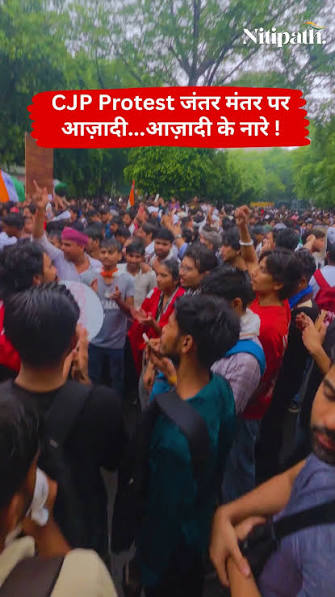
People may hold a dharna for many reasons, including:
- Demand for justice
- Employee-related issues
- Pension matters
- Farmers’ rights
- Women’s safety
- Student concerns
- Reservation demands
- Social welfare
- Environmental protection
- Public policy reforms
The main objective is to peacefully communicate concerns to the government or relevant authorities.
History of Dharna at Jantar Mantar
For many years, Jantar Mantar served as one of Delhi’s primary protest locations. Citizens from all over the country gathered here to express their views.
Several well-known public movements have been associated with this place. Social activists, retired employees, labour unions, teachers, students, women organizations, and various community groups have organized demonstrations here.
At different times, authorities introduced restrictions due to concerns about traffic, public safety, and nearby residential areas. Court decisions and administrative policies have also influenced how protests are managed. Even with these changes, Jantar Mantar remains closely linked with India’s democratic traditions.
Importance of Peaceful Protesst
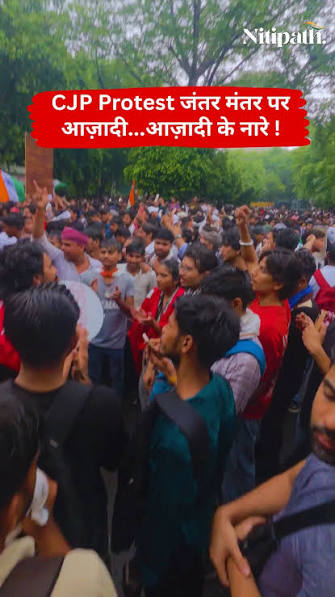
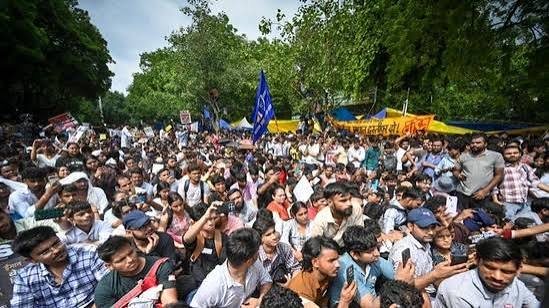
Peaceful protest plays an important role in every democratic country. It allows people to express their opinions without violence.
Some key benefits include:
- Giving citizens a public voice.
- Encouraging government accountability.
- Highlighting social issues.
- Promoting public awareness.
- Supporting democratic participation.
- Encouraging dialogue between citizens and authorities.
Peaceful protests often attract media attention, helping important issues reach a wider audience.
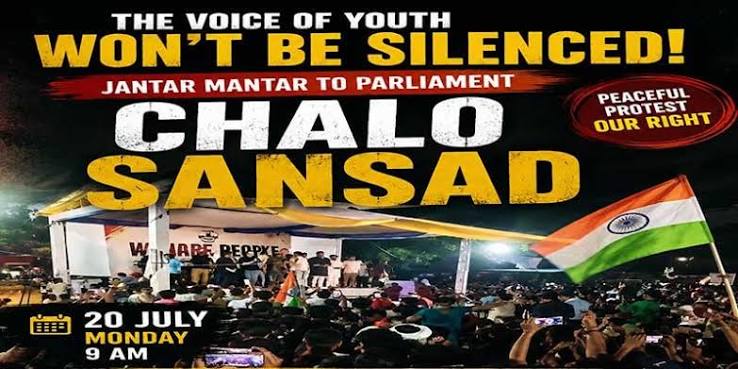
https://www.google.com/search?sca_esv=6f76ab6f29c5f099&rlz=1C1YRZT_enIN1210IN1210&sxsrf=APpeQntvReyJK-AaZ7QOi7MUH9jOwsKbzg:1784700595383&udm=2&fConstitutional Right to Protest
Here’s an SEO-friendly FAQ section you can add to your article on “Dharna in Jantar Mantar”.
Frequently Asked Questions (FAQs) – Dharna in Jantar Mantar
1. What is Jantar Mantar famous for?
Jantar Mantar is famous for its historic astronomical observatory in New Delhi and as a well-known location associated with peaceful public protests and demonstrations.
2. Can anyone organize a dharna at Jantar Mantar?
A dharna can only be organized in accordance with the applicable laws and the directions of the local authorities. Organizers may need to obtain the required permissions before holding a public gathering.
3. Is permission required for a dharna at Jantar Mantar?
Yes. Public protests generally require permission from the concerned authorities. Organizers should check the latest rules and complete the necessary formalities before planning an event.
4. Why do people choose Jantar Mantar for protests?
People choose Jantar Mantar because it is centrally located in New Delhi, easily accessible by public transport, and has long been associated with peaceful democratic expression.
5. What types of issues are raised during a dharna?
People organize dharnas to raise issues related to employment, pensions, education, healthcare, farmers’ welfare, women’s rights, environmental protection, public policies, and social justice.
6. Is peaceful protest a constitutional right in India?
Yes. The Constitution of India protects the freedom of speech and the right to assemble peacefully, subject to reasonable restrictions imposed by law.
7. How can I reach Jantar Mantar?
Jantar Mantar is located on Sansad Marg in New Delhi. It can be reached by Delhi Metro, buses, taxis, auto-rickshaws, and private vehicles.
8. Which is the nearest metro station to Jantar Mantar?
Patel Chowk Metro Station and Rajiv Chowk Metro Station are among the nearest metro stations, making it convenient for visitors to reach the area.
9. What should participants keep in mind during a dharna?
Participants should follow the law, maintain peace, cooperate with the authorities, avoid damaging public property, and respect the rights of other citizens.
10. Are political parties allowed to hold protests at Jantar Mantar?
Political parties and other organizations may hold protests only in accordance with the applicable rules, permissions, and directions issued by the authorities.
11. Is Jantar Mantar open for tourists?
Yes. Jantar Mantar is a protected historical monument and remains a popular tourist attraction for visitors interested in astronomy, architecture, and Indian history.
12. What is the best time to visit Jantar Mantar?
The best time to visit is from October to March, when the weather in Delhi is generally more pleasant for sightseeing and outdoor activities.
13. Are there parking facilities near Jantar Mantar?
Limited parking is available in the surrounding area. Visitors are encouraged to use public transport, especially the Delhi Metro, to avoid traffic and parking issues.
14. Can media cover a dharna at Jantar Mantar?
Yes. News organizations may cover public protests, subject to applicable laws, security arrangements, and any restrictions in place at the time.
15. Why is Jantar Mantar important for Indian democracy?
Jantar Mantar has become a symbol of peaceful public participation where citizens have historically gathered to express their views and bring attention to important public issues through lawful demonstrations.









Leave a Reply